5 Common Myths About Asbestos Removal Debunked
Asbestos, a once highly-praised material used in countless buildings for its heat resistance and insulating properties, has become associated with serious health risks. Linked to conditions such as asbestosis, lung cancer, and mesothelioma, asbestos has become a hazard that needs to be handled with extreme caution.
Asbestos removal is critical in ensuring safety in residential and commercial structures. But, like many specialized procedures, it’s surrounded by a cloud of misconceptions and myths that can lead to dangerous misunderstandings.
From the belief that asbestos removal is a simple weekend DIY project to misconceptions about the dangers of different types of asbestos, these myths can be misleading and hazardous to your health.
In this blog post, we will debunk five common myths about asbestos removal, shedding light on the facts and emphasizing the importance of professional intervention. We aim to provide clarity and guidance for those dealing with this potentially perilous material, empowering readers with the knowledge to make safe and informed decisions.
Whether you are a homeowner, a contractor, or simply curious, understanding these myths and realities could be essential to your well-being.
Myth 1: Asbestos Removal is an Easy DIY Project
Many homeowners, keen on cutting costs or taking matters into their own hands, often believe that asbestos removal is a simple DIY project, like painting a wall or fixing a leaky faucet.
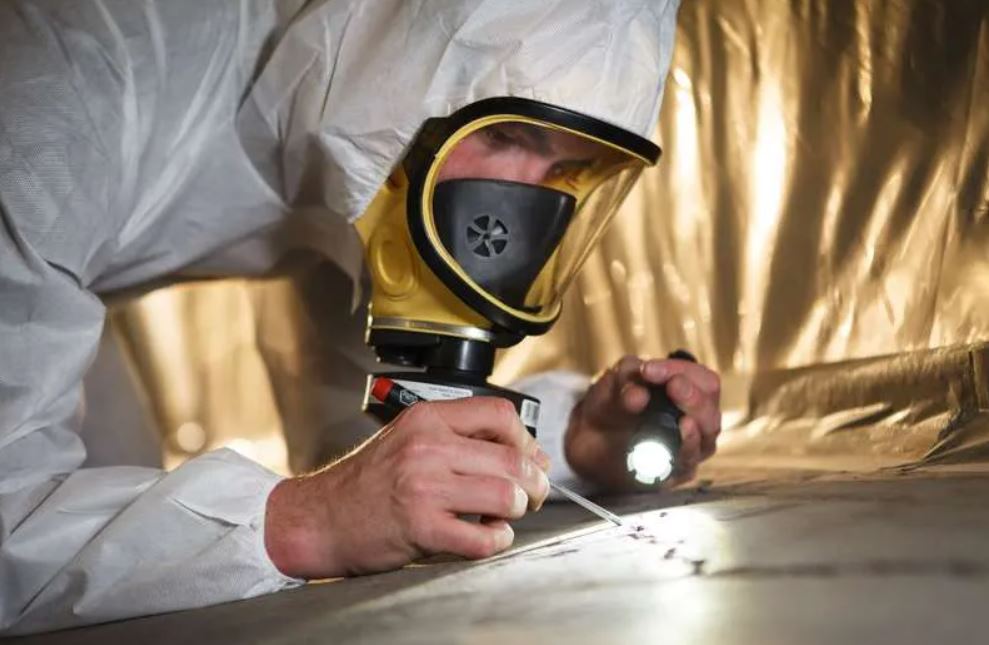
Asbestos removal is a complex task. It requires specialized equipment, including respirators, protective clothing, and proper disposal containers, which are not commonly found in the average homeowner’s tool shed. Furthermore, the process requires careful planning and adherence to specific regulations and guidelines to prevent contamination.
Improper handling of asbestos can release microscopic fibres into the air. These fibres can lead to serious lung conditions, including cancer if inhaled. The risks associated with DIY removal far outweigh the costs saved, posing a danger to both the individual undertaking the project and others in the vicinity.
According to the U.S. Environmental Protection Agency (EPA), asbestos should be handled by trained and accredited professionals who follow specific procedures to contain and remove the material safely.
Myth 2: All Asbestos Products are Equally Dangerous
A common misconception is that all asbestos-containing materials (ACMs) are equally hazardous. This misunderstanding can lead to inappropriate handling or misjudgment of risks.
Asbestos exists in different forms, such as chrysotile, amosite, and crocidolite. Some of these types are considered more harmful than others. For example, crocidolite, known as “blue asbestos,” has particularly sharp and thin fibres that are more easily inhaled, making it more dangerous.
Different asbestos types have various properties, and their potential danger depends on fibre size, shape, and chemical composition. Some fibres are more likely to become airborne and be inhaled, whereas others might be more tightly bound in products and less likely to be released.
The World Health Organization (WHO) emphasizes that all forms of asbestos are carcinogenic but notes that some forms are more potent in their carcinogenicity. Understanding the specific type of asbestos is crucial in assessing and managing risks.
Myth 3: Asbestos is Only a Problem in Old Buildings
Many believe that asbestos is exclusively a problem of the past, affecting only older structures built when asbestos use was more widespread.
Asbestos was used in many construction materials, including some that were manufactured well after regulations began limiting its use. It’s not confined to older structures; newer buildings, especially those constructed before total bans in some countries, may still contain asbestos.
Even modern structures may have asbestos in the form of old insulation, tiles, or other components reused or left undisturbed during renovations. Without proper inspection and handling, these materials could still pose a risk.
Many countries, such as Canada, only fully banned asbestos in recent years (e.g., Canada’s ban was enacted in 2018). Buildings constructed or renovated before these bans may still contain asbestos, regardless of their apparent modernity.
Myth 4: Removing Asbestos Always Increases Property Value
A popular belief among property owners is that removing asbestos will invariably increase the property’s value.
While removing asbestos can make a property more appealing to potential buyers concerned with health and safety, it does not necessarily translate into a higher selling price. The increase in value depends on various factors, such as the property’s overall condition, market trends, and buyer perceptions.
Several factors influence whether asbestos removal increases property value, including the quality of the removal, the replacement materials used, and the impact on the property’s overall aesthetic and structural integrity.
Real estate experts often emphasize that while asbestos removal may make a property more marketable, it doesn’t guarantee a significant increase in value. The decision should be based on safety considerations and compliance with regulations rather than purely financial motivations.
Myth 5: If Asbestos is Not Disturbed, It’s Not a Threat
The belief that asbestos is only dangerous if disturbed is widespread, leading some to think that as long as it’s left alone, it poses no risk.
Even if asbestos-containing materials are not actively disturbed, they can deteriorate over time, releasing fibres into the air. Environmental factors, such as humidity, temperature fluctuations, and general wear and tear, can contribute to this deterioration.
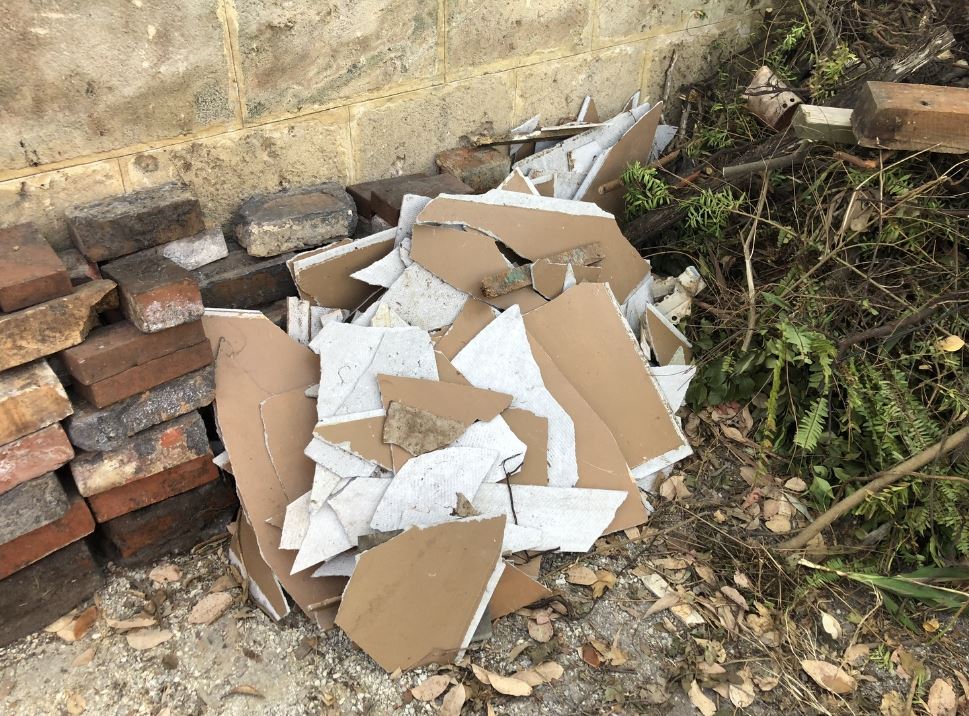
In situations where asbestos is near air vents or areas prone to vibration and human activity, the risk of fibre release is higher. Regular monitoring and professional evaluation are essential to assess the ongoing risks in such scenarios.
Many regulatory bodies, such as the Occupational Safety and Health Administration (OSHA) in the United States, advocate for regular inspections and maintenance of asbestos-containing materials, emphasizing that undisturbed does not mean risk-free.
This post has tackled five prevalent myths about asbestos removal, from the misconception that it’s a straightforward DIY task to the false belief that undisturbed asbestos is entirely safe.
Asbestos’s complexity and potential risks demand specialized knowledge, training, and care. Professional handling is not just a recommendation; it’s necessary for all involved’s safety.
If you are facing an asbestos-related issue, seeking professional advice is imperative. Your health and the safety of others depend on responsible and informed actions.
Awareness is the first step in responsible management, whether you’re a property owner, a contractor, or simply seeking to understand more about asbestos. If in doubt, don’t hesitate to contact a licensed asbestos removal specialist in your area. Your safety, and the safety of those around you, is worth the investment in professional care.