Demolition and Excavation

Info on commercial, industrial and residential demolition and excavation

Archives 2024

Maintaining and Cleaning Your Awnings: Best Practices

When I first decided to install awnings in my home, I was captivated by how they instantly enhanced the look of my outdoor space while providing much-needed shade and protection from the elements. However, I quickly realised that maintaining and cleaning them is essential to ensure they stay in top condition and continue to serve their purpose effectively.

Here, I’ll share my experience and tips for keeping your awnings looking and functioning their best.

Understanding Your Awnings

Before diving into maintenance and cleaning, it’s crucial to understand the type of awnings you have. Awnings can be made from various materials, including fabric, metal, and wood. Each type requires a slightly different approach to care:

Fabric Awnings: Typically made from materials like acrylic, polyester, or canvas, these are popular due to their versatility and range of colours and patterns.

Metal Awnings: Usually crafted from aluminium or steel, metal awnings are durable and often have a sleek, modern look.

Wood Awnings: Less common but aesthetically pleasing, wood awnings require specific care to prevent rot and damage from pests.

Regular Maintenance Tips

Maintaining your awnings regularly can prevent minor issues from becoming significant problems. Here are some tips I’ve found particularly useful:

Inspect Regularly: Make it a habit to check your awnings every few months. Look for signs of wear and tear, such as holes, frayed edges, rust, or loose bolts. Early detection can save you from more extensive repairs down the line.

Tighten Loose Parts: For retractable awnings, ensure that the moving parts, like hinges and arms, are functioning smoothly. Tighten any loose bolts or screws to avoid operational issues.

Lubricate Mechanisms: If you have retractable or motorised awnings, keep the mechanisms well-lubricated. This reduces friction and prevents wear, ensuring smooth operation.

Trim Surrounding Vegetation: Overhanging branches can damage your awnings by scratching the fabric or causing rips. Regularly trim nearby trees and shrubs to avoid this issue.

Retract During Harsh Weather: If you have retractable awnings, always retract them during heavy rain, snow, or strong winds to prevent damage.

Cleaning Your Awnings

Cleaning awnings is essential not only for aesthetic reasons but also to prolong their lifespan. Here’s how I approach cleaning my different types of awnings:

Fabric Awnings:

Dust and Debris: Start by removing loose dirt and debris. You can use a soft brush or a handheld vacuum cleaner for this.

Mild Cleaning Solution: Mix a mild detergent with lukewarm water. Avoid harsh chemicals as they can damage the fabric. Using a soft brush, gently scrub the awning with the solution.

Rinse Thoroughly: Rinse the awning with a garden hose to remove all soap residue. Ensure that the awning is fully dry before retracting it to prevent mould and mildew growth.

Metal Awnings:

Remove Loose Dirt: Use a broom or a cloth to dust off dirt and debris.

Cleaning Solution: Create a solution of water and a mild detergent. Use a sponge or a soft cloth to clean the surface of the awning.

Rinse and Dry: Rinse with clean water and dry thoroughly with a soft cloth to prevent water spots and rust.

Wood Awnings:

Regular Dusting: Dust off the awning regularly with a dry cloth or a soft brush.

Gentle Cleaning: Use a mixture of water and mild soap to clean the wood gently. Avoid soaking the wood, as excessive moisture can cause damage.

Protective Coating: Periodically, apply a wood sealant or varnish to protect the wood from the elements and keep it looking fresh.

Seasonal Care Tips

Different seasons pose unique challenges for awnings. Here’s how I handle mine throughout the year:

Spring: Spring is an excellent time for a thorough cleaning after the harsh winter months. Inspect for any damage caused by snow or ice.

Summer: During summer, I clean my awnings more frequently due to pollen and dust. I also ensure that they are providing optimal shade to reduce cooling costs.

Autumn: Fall is all about dealing with falling leaves. I regularly clear debris to prevent clogging and staining.

Winter: For fabric and retractable awnings, I store them away if possible. For fixed awnings, I ensure they are secure and clear of snow build-up.

Maintaining and cleaning your awnings might seem like a chore, but it’s a small price to pay for the comfort and aesthetic appeal they provide. By following these tips and staying proactive, you can ensure that your awnings remain in excellent condition, enhancing your outdoor space for years to come. Whether you’re dealing with fabric, metal, or wood awnings, a little regular care goes a long way.


Related information about awnings:

https://helioscreen.com.au/retractable-awnings/sydney/
https://www.markilux.com/en-au/awnings-in-sydney
https://www.awnings.com.au/awnings/ 
Demolition Method

Choosing the Right Demolition Method: Exploring Implosion, Wrecking Ball, and Mechanical Demolition

In the ever-evolving landscape of urban development and infrastructure renewal, demolition is a crucial preliminary step, paving the way for new constructions and revitalizations. It’s a process that removes outdated or unsafe structures and facilitates urban regeneration and the efficient use of space in densely populated areas. This blog post delves into the intricate world of demolition, focusing on three primary methods: implosion, wrecking ball, and mechanical demolition. Each technique has unique advantages and challenges, and the choice among them depends on various factors, from the structure’s location and size to environmental concerns and budget constraints.

Understanding Demolition Methods

Implosion

Implosion is a dramatic demolition method that involves using explosives to collapse a building inwardly. This method is highly efficient for demolishing large structures in urban environments where space is limited. The basic principle behind implosion is strategically placing explosives in key structural supports so the building falls within its footprint, minimising damage to surrounding areas. Preparing a building for implosion requires meticulous planning, including a thorough structural analysis, removal of non-structural elements, and precise placement of explosives.

Advantages of implosion include its speed and the ability to quickly clear a site for new construction. However, this method demands extensive planning and expertise to mitigate the risks associated with flying debris, vibration, and the potential impact on nearby structures and communities.

Wrecking Ball

The wrecking ball method, one of the oldest demolition techniques, involves swinging a large, heavy ball from a crane to physically break apart a structure. It’s a method steeped in history, once the go-to choice for demolishing buildings. The simplicity of this method and its lack of need for explosives are among its primary advantages. It can be particularly effective for smaller, less complex structures.

However, the wrecking ball method has several disadvantages, including challenges in controlling the ball with precision, significant noise, and safety concerns for both workers and bystanders. Additionally, its efficacy diminishes with the increasing strength and complexity of modern building materials and designs.

Mechanical Demolition

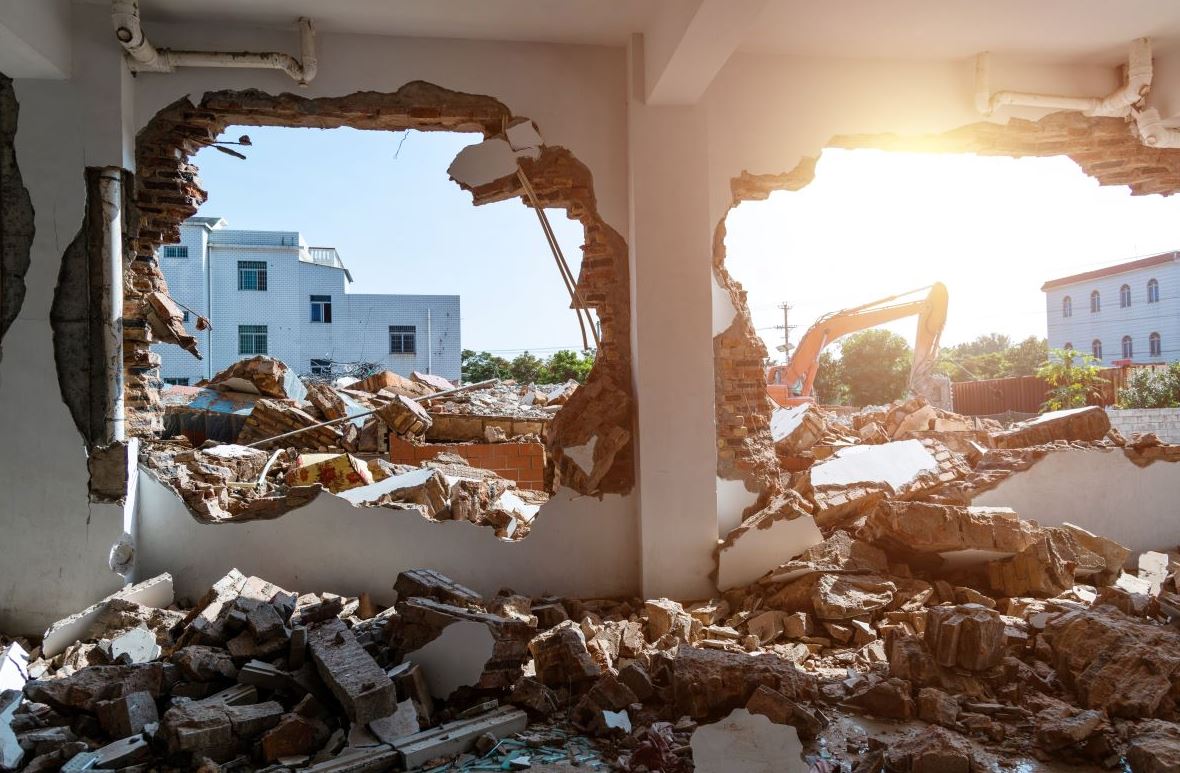
Mechanical demolition involves using heavy machinery, such as excavators and bulldozers, to dismantle buildings piece by piece. This method is characterised by its precision and versatility, allowing for the careful deconstruction of structures to facilitate the recycling of materials. The process includes the strategic removal of materials, starting from the top of the building and working downward, while ensuring the stability of the structure during demolition.

The advantages of mechanical demolition include the ability to salvage and recycle materials, which supports sustainability efforts. It’s also adaptable to various types of structures and sizes. However, this method can be time-consuming and labour-intensive, especially for large buildings. Additionally, mechanical demolition generates significant dust and debris, raising environmental and health concerns.

Choosing the Right Method

Selecting the appropriate demolition method involves carefully considering several factors, including the size and type of the building, its location and proximity to other structures, environmental regulations, time constraints, and budget. For instance, implosion might be the preferred method for quickly demolishing a large skyscraper in an urban area. In contrast, mechanical demolition could be more suitable for a project that requires material recycling and has fewer time constraints.

Each method has its place in the arsenal of demolition techniques, often depending on specific project requirements and goals. For example, in scenarios where minimising environmental impact is a priority, mechanical demolition with its emphasis on recycling might be the best option. Conversely, implosion could be the most effective approach in situations where speed is of the essence and the site is appropriately isolated.

Factors Influencing the Choice of Demolition Method

Many factors influence the decision on which demolition method to employ, each playing a crucial role in determining the most appropriate and efficient approach for a given project.

  • Size and Type of Structure: Larger buildings may require more powerful methods like implosion for efficient removal, whereas smaller structures might be better suited to mechanical demolition or the wrecking ball.
  • Location and Proximity to Other Buildings: Dense urban environments with close neighbouring structures might necessitate the precision of implosion or mechanical demolition to avoid damaging surrounding properties.
  • Environmental Considerations and Regulations: Projects in areas with strict environmental regulations may benefit from mechanical demolition, which allows for greater control over dust and debris.
  • Time Constraints and Project Timeline: When time is of the essence, implosion can clear a site much faster than other methods, making it ideal for tight schedules.
  • Budget and Cost Implications: The cost-effectiveness of each method varies, with mechanical demolition often allowing for material recycling and cost recovery, whereas implosion, despite its higher initial cost, offers speed and efficiency that may outweigh overall expenses.
Demolition Method

Comparative Analysis

The choice of demolition method can be better understood through scenario-based recommendations, case studies, and expert opinions.

  • Scenario-based Recommendations: For instance, implosion could be chosen in densely populated urban areas for its ability to quickly demolish skyscrapers with minimal horizontal impact. In contrast, a historical building surrounded by protected structures might be best dismantled piece by piece through mechanical demolition.
  • Case Studies: Examples include the controlled implosion of the old Dallas Cowboys Stadium, showcasing the method’s precision and efficiency in a highly controlled environment, or the mechanical dismantling of the Pruitt-Igoe complex, emphasising material salvage and recycling.
  • Expert Opinions and Industry Standards: Professionals often advocate for a thorough site and structural analysis to choose the most suitable method, emphasising the importance of safety, environmental impact, and community considerations in the decision-making process.

Future Trends in Demolition

The field of demolition is rapidly evolving, with new technologies and methods that promise to revolutionise how structures are dismantled.

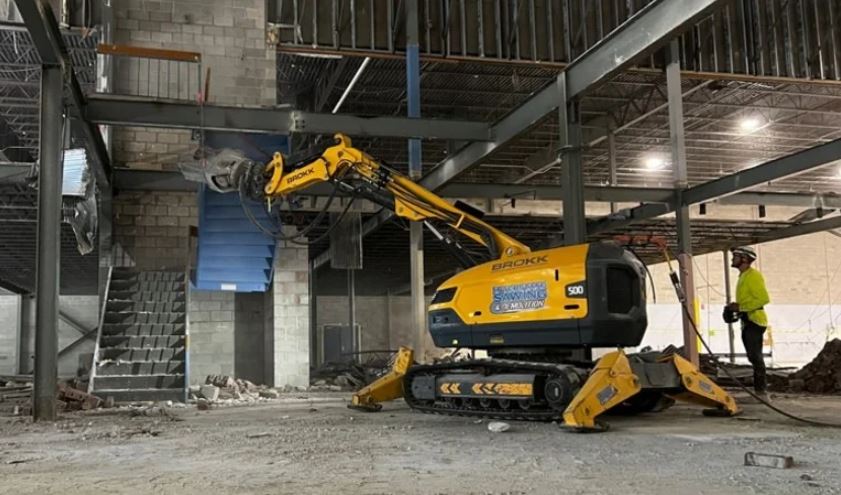
  • Emerging Technologies and Methods: Robotic demolition is on the rise, offering safer, more precise, and less labour-intensive alternatives to traditional methods. High-reach excavators are becoming more common for tall structures, providing a safer way to reach and dismantle buildings from the top down.
  • Sustainability in Demolition: The industry is moving towards more sustainable practices, such as recycling materials from demolition sites and reducing the environmental impact through more efficient methods and technologies.
  • The Role of Digital Planning Tools: 3D modelling and simulation software are increasingly used to plan and visualise demolition projects in advance, allowing for safer and more efficient outcomes by predicting potential issues and optimising the demolition process.

Choosing the right demolition method is a multifaceted decision that plays a pivotal role in the success of urban redevelopment projects. It requires carefully considering the structure’s characteristics, surroundings, environmental impacts, time and budget constraints, and the latest industry trends and technologies. As the field continues to evolve, staying informed about emerging methods and technologies will be crucial for professionals in making decisions that are efficient, cost-effective, environmentally responsible, and safe for communities.

The evolution of demolition techniques reflects broader construction and urban development trends, emphasising sustainability, safety, and efficiency. By considering multiple factors and seeking expert advice, stakeholders can ensure that their demolition projects contribute positively to the urban landscape’s renewal and development. The future of urban redevelopment will likely see even greater integration of advanced technologies and sustainable practices, marking an exciting time for the industry and offering new opportunities for innovation and improvement.